
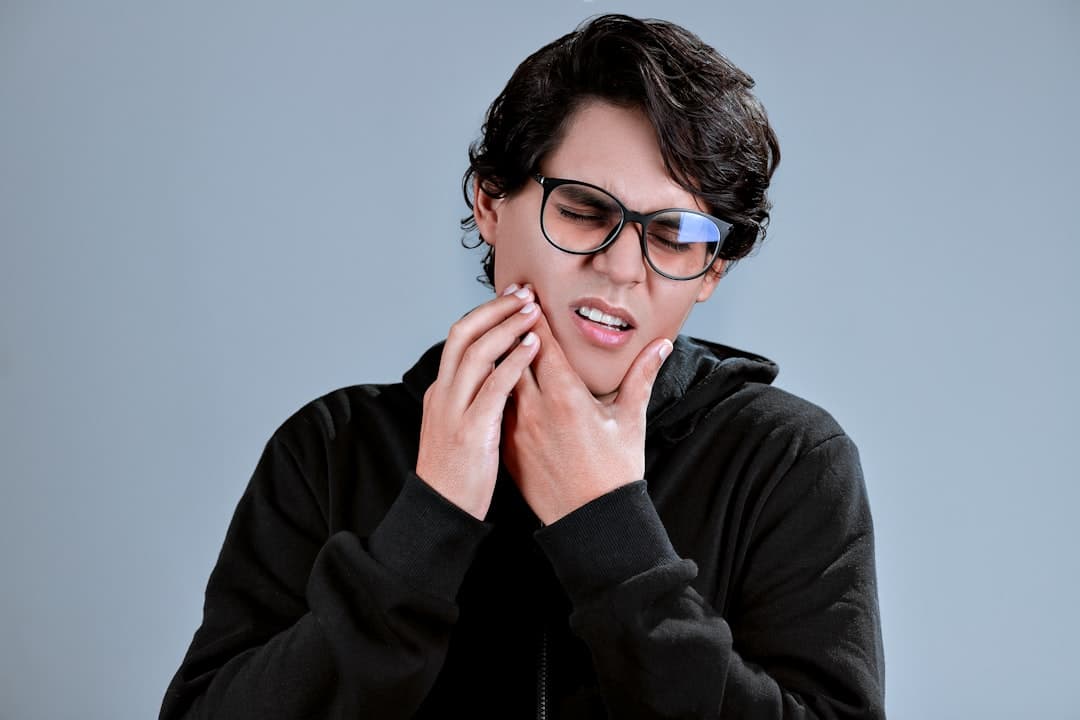
While nail-biting may seem harmless, frequently placing your hands near your mouth can lead to significant oral health problems. This common behavior can lead to various dental issues, from weakened enamel to increased risk of infections.
Understanding the connection between nail-biting and your oral hygiene is imperative for maintaining a healthy smile. In this post, we will explore the various ways nail-biting can harm your teeth and gums while offering tips on how to break the habit for optimal dental health.
Key Takeaways
- Biting your nails transfers harmful bacteria to your mouth, increasing the risk of infections and gum disease.
- The habit can cause physical damage to teeth and gums, including chips, cracks, misalignment, and gum recession.
- Managing stress and using behavioral strategies can help break the nail-biting habit and protect your oral health.
The Unseen Consequences of Nail Biting on Oral Hygiene
Nail biting doesn’t just affect the appearance of your hands; it can also have unseen consequences on your oral hygiene. This seemingly innocuous habit compromises the protective barrier of your mouth and exposes you to potential health issues.
Underneath your nails, a breeding ground for bacteria thrives, which can easily find its way into your mouth every time you chew down. Over time, this can lead to dental problems you didn’t anticipate, affecting both your oral health and overall well-being.
“Even if you regularly brush or floss, introducing nail-borne bacteria into your mouth disrupts your oral health, potentially leading to complications like infections or gum disease that could have been easily avoided.” – Dr. Reza Sartipi, Dentist in Newmarket, ON
Bacteria and Germ Transfer Through Nail Bite
Your nails harbour a variety of bacteria and germs, some of which are harmful. Each time you bite your nails, you transfer these microorganisms into your mouth, increasing the risk of infections and oral diseases.
Studies show that habitual nail biters may introduce pathogens such as Escherichia coli (E. coli) and Staphylococcus aureus into the mouth, especially if hand hygiene is poor. These bacteria can compromise oral hygiene and contribute to gum inflammation and bad breath. Regular exposure to these bacteria may lead to issues such as bad breath and gum irritation, which are often overlooked until they become serious problems.
The Link Between Nail Biting and Periodontal Disease
Chronic nail biting can contribute to the development of periodontal disease, an inflammatory condition affecting the gums and surrounding structures. When you bite your nails, you’re introducing harmful bacteria and causing physical damage to your gums and teeth, which can weaken the tissues that support your teeth.
Such damage can lead to gum recession and, if left untreated, tooth loss. It’s important to maintain good oral hygiene practices and consider alternatives to curb this habit for preserving your gum health.
“Nail biting harms your gums physically and accelerates conditions like gum recession, which exposes tooth roots and makes you more prone to cavities, sensitivity, and bacteria buildup.” – Dr. Reza Sartipi, Dentist in Newmarket, ON
Research indicates that individuals who engage in nail biting are at a higher risk of developing periodontal disease due to the direct trauma inflicted on their gums and teeth. This behavior can create micro-tears in the gum tissue, allowing bacteria to enter and foster infection.
Those suffering from pre-existing periodontal conditions may find their symptoms exacerbated due to this habit. Regular dental check-ups, combined with proper oral hygiene, are key to mitigating such risks and preserving your dental health in the long run.
The Impact of Nail Biting on Teeth and Gums
Habitual nail biting can have a significant impact on your dental health, often leading to various complications that you might overlook. Every bite of your nails can expose your teeth and gums to harm, resulting in issues such as chips, cracks, and even misalignment of your teeth.
While you may think it’s just a stress-relief technique, the reality is much more hurtful to your oral cavity than you’d expect.
Dental Damage: Chips, Cracks, and Misalignment
Your teeth are not designed to withstand the force of biting down on hard nails, which can lead to chips and cracks over time. These tiny fractures can quickly worsen, requiring dental intervention ranging from fillings to crowns.
Moreover, repetitive pressure from nail biting may cause your teeth to shift out of alignment, resulting in an uneven bite that compromises both aesthetics and function.
Gum Recession and Its Long-Term Effects
Gum recession is another critical concern associated with nail biting, where your gums begin to pull back from your teeth, exposing their roots. This occurs due to the chronic irritation of the gum tissue from your biting habit.
Over time, gum recession can create spaces that allow bacteria to flourish, leading to periodontitis, tooth decay, and ultimately tooth loss if left unaddressed.
Long-term gum recession not only exposes you to more cavities and infections but also adversely affects your overall oral health. When the gums recede, they can lead to increased tooth sensitivity, making it difficult to eat hot or cold foods comfortably.
Moreover, the exposed roots make teeth appear longer and can result in aesthetic concerns. Effective dental care and consistent monitoring are necessary to address and manage the effects of receding gums, emphasizing the importance of breaking the nail-biting habit as soon as possible.
Mental Health’s Role in Nail Biting and Oral Care
The tendency to bite your nails and its implications for your oral health are significantly influenced by your mental health. Emotional states such as anxiety and stress can trigger habitual behaviors like nail biting, as they serve as coping mechanisms to deal with discomfort.
Understanding this connection can help you address the underlying issues that contribute to the habit, leading to better oral care and improved mental well-being.
Anxiety, Stress, and Compelling Nail-Biting Behavior
Anxiety and stress often drive the urge to bite your nails, serving as outlets for releasing pent-up tension. As you navigate daily responsibilities and pressures, the act of biting your nails can become an automatic response, creating a cyclical pattern that compounds both mental and physical health issues.
Research shows that this behavior is prevalent among individuals with anxiety disorders, with studies indicating that roughly 20 to 30 percent of the population engages in nail biting, often as a direct reaction to stressors.
Strategies for Addressing Mental Health to Curb Nail Biting
Improving your mental health can effectively reduce the urge to bite your nails. Techniques such as mindfulness meditation, cognitive-behavioral therapy, and engaging in physical activities can help manage stress and anxiety levels.
Keeping your hands busy with fidget spinners or stress balls also redirects energy away from your nails. Building a supportive network by sharing your goal to quit can further strengthen your resolve and provide accountability.
Additionally, keeping track of your progress through journaling can boost your self-awareness and empower you on your journey to healthier habits.
Implementing these strategies involves a holistic approach to both mental and oral health. For example, setting aside time for meditation can clear your mind, making you less susceptible to stress-induced nail biting.
Incorporating regular exercise helps release endorphins, further alleviating anxiety. You might also consider seeking professional help if nail-biting significantly impacts your daily life.
Therapists can provide tailored coping techniques, ensuring you address the root causes of nail biting while promoting healthier oral practices. Combining these methods fosters a comprehensive way to break the cycle and protect your overall well-being.
Effective Solutions to Break the Nail-Biting Habit
Breaking the nail-biting habit requires a multifaceted approach tailored to your personal triggers. Start by identifying the moments you tend to bite your nails—stress, boredom, or anxiety are common culprits.
You can implement unique strategies such as keeping your hands occupied with stress balls or fidget toys. Making a conscious effort to be mindful of your actions and tracking your progress with a diary or app can reinforce your commitment to quit.
Behavioral Techniques and Protective Measures
Incorporating behavioral techniques can significantly assist in overcoming nail-biting. You might consider applying bitter-tasting nail polish designed to deter you from nibbling.
Additionally, wearing gloves or adhesive bandages can act as a physical barrier, reminding you to avoid your nails. Establishing a reward system to celebrate your milestones, whether it’s a small treat or a fun outing, can motivate you to stay committed to your goal.
Oral Health Alternative: The Role of Dental Products
Improving your oral health can also help break the cycle of nail-biting. Opting for dental products such as mouth rinses or gums with flavors you enjoy can provide a better alternative for your mouth.
“Choosing flavored sugar-free gum or antibacterial mouth rinses can retrain your oral habits, simultaneously protecting your teeth and helping to replace nail biting with a healthier alternative.” – Dr. Reza Sartipi, Dentist in Newmarket, ON
These products promote oral hygiene and help keep your mouth occupied. For instance, chewing sugar-free gum when you feel the urge to bite your nails can redirect your focus, offering both satisfaction and health benefits while you manage your habit.
Many dental products include ingredients that strengthen enamel and freshen breath, giving you additional motivation to avoid nail-biting. Some specialized mouth rinses are infused with antibacterial properties, further improving your oral health and combating the bacteria transferred from your nails to your mouth.
By weaving these products into your daily routine, you can foster better habits while simultaneously protecting your dental health, ultimately reinforcing your commitment to overcoming nail-biting.
When to Seek Professional Help: Bridging the Gap Between Habits and Health
Your nail-biting habit may affect your appearance and compromise your oral health. Knowing when to seek professional guidance can greatly improve both your dental status and overall well-being.
If you find your fingers frequently trapped in your mouth or you experience recurrent dental issues, it’s time to consult a dentist who can evaluate the physical implications and recommend an effective treatment plan. Recognizing the signs early can mitigate lasting damage and establish healthier habits.
Signs You Need a Dentist’s Insight
Pay attention to the signals your mouth gives you. Frequent tooth sensitivity, gum irritation, or noticeable wear on your teeth can indicate the detrimental effects of nail biting. If you experience persistent jaw pain or notice signs like enamel wear, it’s time to seek professional evaluation.
Regular check-ups can help catch these consequences before they escalate, saving you time, money, and discomfort down the line.
The Benefits of Consulting a Behavioral Therapist
Working with a behavioral therapist can provide you with tools to manage and overcome your nail-biting habit effectively. This specialized support often includes cognitive-behavioral techniques that can help you identify triggers and develop healthier coping mechanisms.
For instance, you might explore stress relief methods or alternative habits that do not involve your nails. In the long run, this professional guidance enhances not just your oral health but also broadens your understanding of personal habits and behavioral adjustments.
Consulting a behavioral therapist offers tangible strategies tailored to your specific concerns. Through techniques like habit reversal training, you can gradually replace nail-biting with more constructive actions.
Engaging in mindfulness practices may also prove beneficial, as these methods promote awareness and reduce stress that often drives you back to old habits. By addressing both the psychological and physical aspects of nail-biting, you set the foundation for long-term success and create positive impacts on your oral health and overall lifestyle.
Summing up
Ultimately, biting your nails can have serious consequences for your oral health. This habit can lead to an increased risk of gum infections, tooth wear, and even misalignment.
Additionally, the bacteria and pathogens you transfer from your hands to your mouth can contribute to oral diseases. To protect your smile, consider strategies to curb this habit, such as keeping your nails trimmed or using bitter-tasting nail polish.
Being mindful of your nail-biting can make a significant difference in maintaining your oral health.
Protect Your Smile—Book an Appointment Today
If you’re concerned about how nail biting may be affecting your teeth and gums, the team at Copper Hills Family Dentistry is here to help. Our experienced dental professionals can assess your oral health and provide personalized strategies to break harmful habits.
Visit us in Newmarket, ON, and take the first step toward a healthier smile.
Contact us today to schedule your appointment!
Reviewed by: Dr. Reza Sartipi